BPC-157: An Overview of Current Preclinical Research
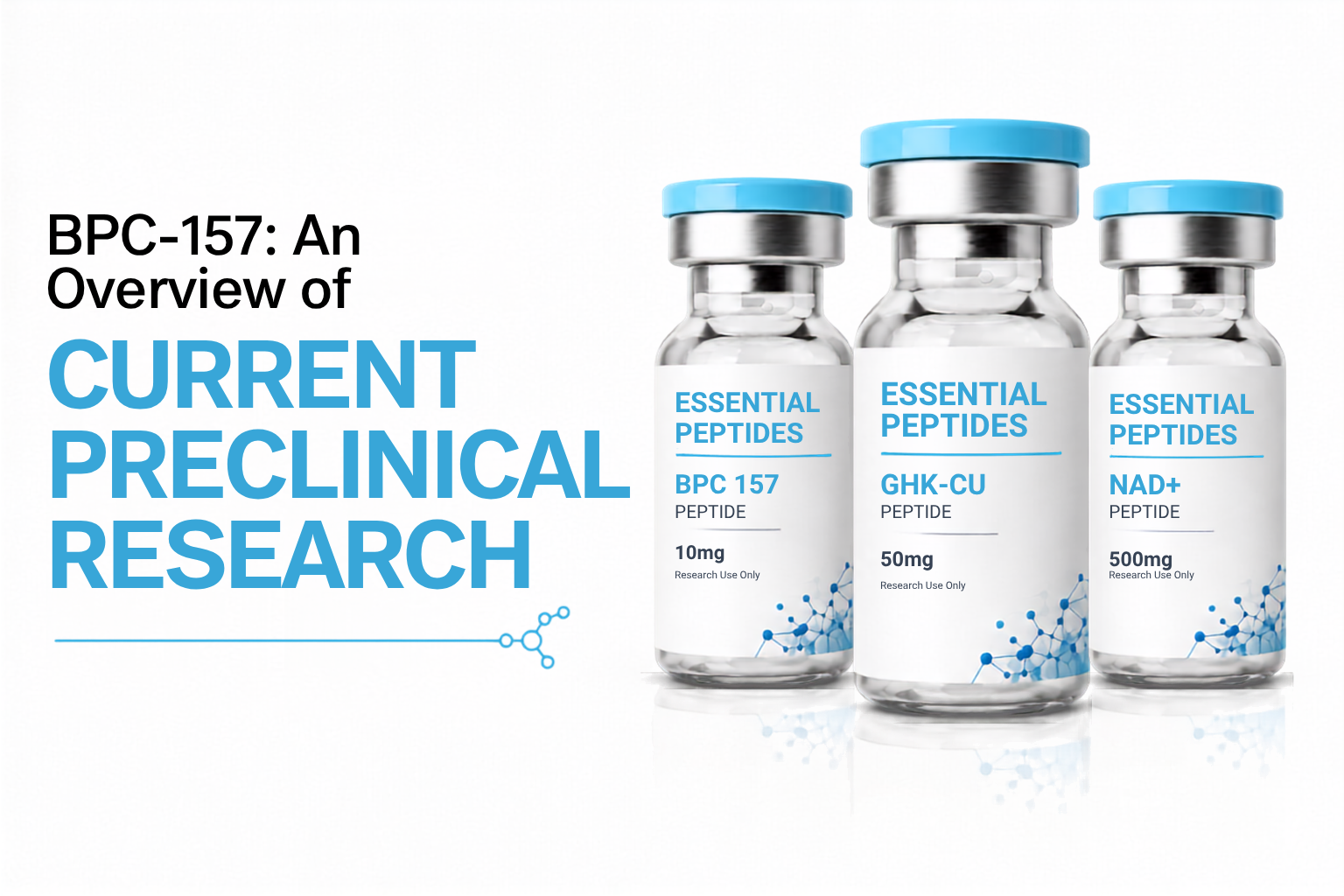
Scientific interest in tissue repair and gut health has pushed one particular compound into the spotlight of laboratory research circles: BPC-157. As a bpc 157 research peptide derived from a naturally occurring protein found in human gastric juice, it has become one of the most studied sequences in the wider peptide research field. Below, we break down what the current body of preclinical evidence actually shows, and why researchers across the UK continue to explore this molecule.
What Is BPC-157?
BPC-157 stands for Body Protection Compound 157. It is a synthetic pentadecapeptide, meaning it is built from fifteen amino acids arranged in a specific sequence. This sequence was originally identified within a naturally occurring gastric protective protein.
Researchers first became curious about this compound because of its apparent stability. Unlike many peptides that break down quickly, BPC-157 appears to remain active across a wide range of laboratory conditions. That stability alone made it worth a closer look.
Why Laboratories Keep Studying It
Several qualities have kept BPC-157 on the radar of research institutions:
- It shows resistance to degradation in gastric acid environments during in vitro trials.
- It does not require complex cofactors to demonstrate biological activity in cell models.
- It has been tested across a wide variety of animal models, giving researchers a broad comparative dataset.
Preclinical Findings on Tissue Repair
A large portion of the published literature on research peptides like BPC-157 focuses on connective tissue and healing pathways.
In rodent models, studies have observed effects related to:
- Tendon and ligament recovery following induced injury.
- Muscle tissue regeneration after transection procedures.
- Bone healing timelines in fracture models.
Researchers studying these outcomes have proposed that BPC-157 may interact with growth factor pathways, including those involved in angiogenesis (the formation of new blood vessels). Improved blood supply to injured tissue is a recurring theme across several animal studies, though the exact mechanism is still being mapped out.
It is worth noting that these results come from controlled laboratory settings using animal subjects. They are not a substitute for human clinical trial data, which remains limited at this stage.
Gut and Digestive System Research
Given its origin in gastric tissue, much of the earliest research on BPC-157 examined digestive health markers. Animal studies have looked at:
- Recovery patterns in models of induced gastric ulceration.
- Intestinal lining integrity under experimental stress conditions.
- Interaction with the nitric oxide system, which plays a role in blood vessel regulation.
Some researchers have suggested that BPC-157 may support the gut-brain communication pathway, an area of growing scientific curiosity. However, this line of inquiry is still developing, and findings should be treated as preliminary rather than conclusive.
Neurological and Systemic Research Areas
Beyond tissue repair, a smaller but expanding subset of studies has examined BPC-157’s behavior in neurological models. Some animal research has explored its relationship with:
- Neurotransmitter systems, including dopamine and serotonin pathways.
- Models of nerve injury and subsequent functional recovery.
- Oxidative stress markers within damaged tissue samples.
None of this research has progressed to large-scale human trials. The regulatory pathway for any peptide moving from animal study to approved clinical use is long, and BPC-157 has not completed that journey. This is precisely why it remains classified strictly for laboratory and research purposes.
How Purity and Sourcing Affect Research Outcomes
Anyone reviewing published studies quickly notices a recurring variable: peptide purity. Batches with inconsistent purity levels can produce unreliable results, which makes sourcing a critical part of any serious research protocol.
When selecting a bpc 157 peptide UK researchers rely on several factors:
- Independent laboratory verification of purity levels.
- Clear batch documentation for traceability.
- Consistent storage and handling standards from the supplier.
Without these safeguards, comparing results across different studies becomes far more difficult, since variability in the compound itself can skew findings.
Current Limitations in the Research
Despite the volume of published animal studies, gaps remain. Several limitations are worth acknowledging:
- Most trials to date have used rodent or small mammal models, not human subjects.
- Dosing protocols vary significantly between studies, making direct comparison tricky.
- Long-term safety data across extended timeframes is still relatively sparse.
Researchers reviewing this compound generally agree that more standardized, peer-reviewed trials are needed before firmer conclusions can be drawn. The existing data is promising enough to justify continued study, but it does not yet meet the bar required for clinical application in humans.
Why UK Researchers Are Paying Attention
Interest in BPC-157 UK research circles has grown alongside broader academic and biotech curiosity in regenerative science. UK-based laboratories and independent researchers frequently reference international published data while conducting their own comparative work, particularly around tissue repair models and gut-related pathways.
This growing interest has also increased demand for verified, traceable research peptides supplied specifically for laboratory use, with proper documentation supporting each batch.
How Researchers Design BPC-157 Studies
Study design plays a huge role in shaping what preclinical data actually tells us. Most work on BPC-157 begins in vitro, using isolated cells to observe basic biological interactions before moving anywhere near a live model.
From there, researchers typically progress to controlled animal trials, where variables like dosage, injury type, and observation period are carefully mapped out. This staged approach helps separate genuine biological activity from random variation.
BPC-157 Compared to Other Tissue-Repair Peptides
Researchers rarely study BPC-157 in isolation. It is often compared alongside other peptides associated with recovery and regeneration, such as TB-500, to understand overlapping or distinct mechanisms.
While both compounds have shown activity in tissue repair models, their proposed pathways differ. BPC-157 research leans heavily toward angiogenesis and gut-related recovery, whereas comparative peptides tend to focus more on cell migration and structural protein synthesis.
This comparative approach gives researchers a broader picture. Rather than treating BPC-157 as a standalone compound, many studies position it within a wider peptide research field, helping identify where it might offer unique value.
Conclusion
BPC-157 remains one of the more thoroughly investigated peptides in current preclinical literature, particularly within tissue repair, digestive health, and early-stage neurological research. The animal data is substantial, but human clinical evidence has not yet caught up, and researchers continue to treat this compound strictly within laboratory settings.
We supply this peptide, alongside a wider catalog of research compounds, exclusively for laboratory and scientific research purposes. Our role at Essential Peptides is to support researchers with verified, well-documented products so that ongoing studies can be built on reliable, consistent data.
Read more: BPC-157 and TB-500 in Combination: What the Research Literature Says
Frequently Asked Questions
1. What does BPC-157 stand for, and why is it structured the way it is?
BPC-157 stands for Body Protection Compound 157, a synthetic pentadecapeptide built from fifteen amino acids. Its sequence was originally identified within a naturally occurring gastric protective protein, which is part of why researchers have taken a close interest in its stability.
2. Why is BPC-157 studied in relation to digestive health specifically?
Because BPC-157 originates from gastric tissue, early research naturally focused on digestive health markers. Studies have examined recovery patterns in models of induced gastric ulceration, intestinal lining integrity under stress conditions, and interaction with the nitric oxide system, which plays a role in blood vessel regulation.
3. Has BPC-157 been studied outside of tissue repair and gut health?
Yes. A smaller but growing body of research has looked at BPC-157’s behaviour in neurological models, including its relationship with neurotransmitter systems such as dopamine and serotonin, as well as nerve injury recovery and oxidative stress markers.
4. What limitations exist in the current BPC-157 research base?
Most published studies rely on rodent or small mammal models rather than human subjects, and dosing protocols vary considerably between trials, which makes direct comparisons difficult.