A Beginner’s Guide to Sourcing Peptides for Laboratory Research
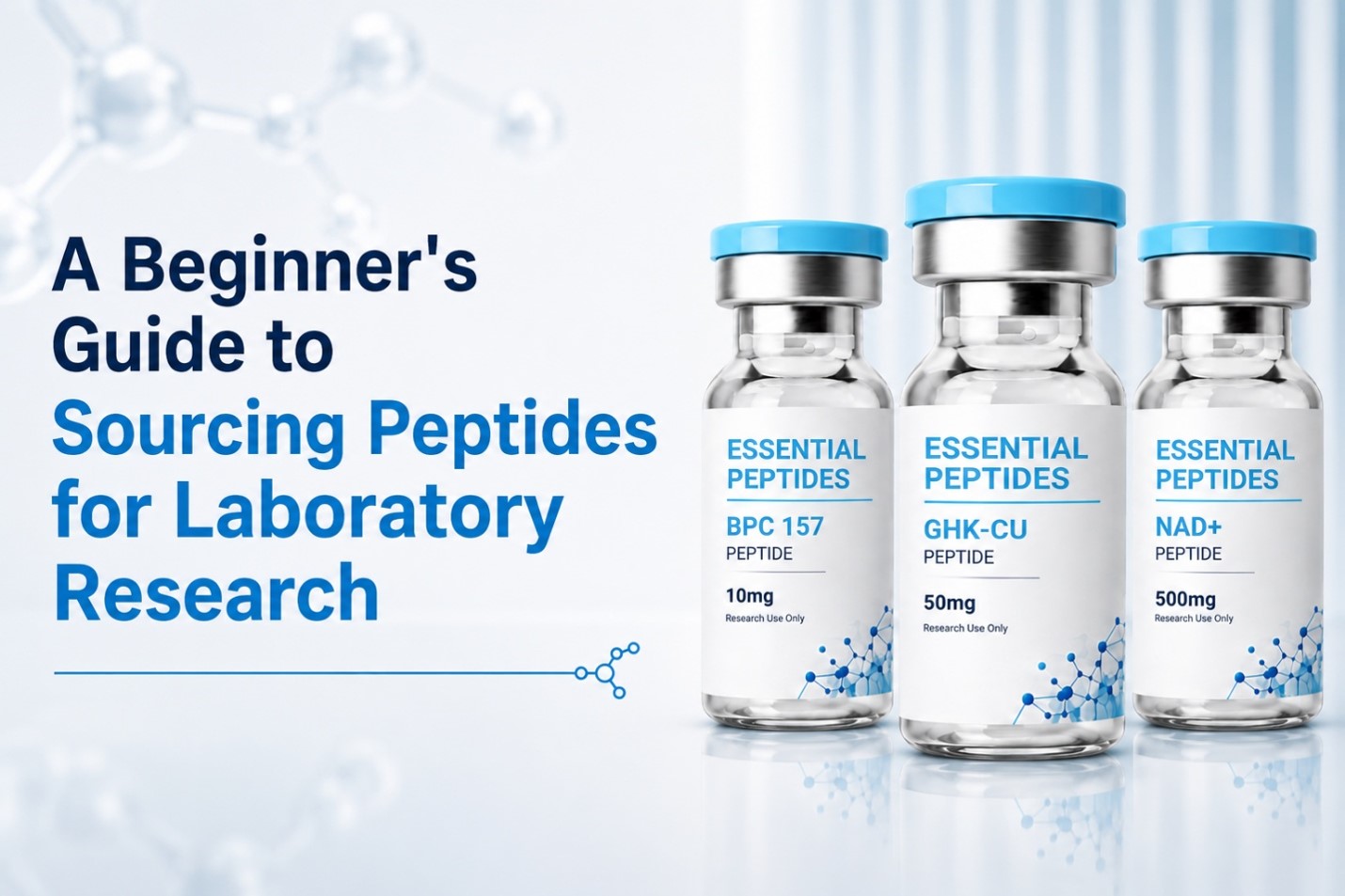
Finding a dependable source forresearch peptides is one of the first real hurdles anyone faces when starting in this field. The market has grown fast, and with that growth comes a mix of excellent suppliers and some that cut corners. This blog walks through what actually matters when choosing where to buy, so your research stays on solid ground from day one.
Why Sourcing Quality Matters From The Start
Peptide research depends entirely on knowing exactly what’s in the vial. A compound that’s mislabelled, underdosed, or contaminated can throw off an entire study. Not a small inconvenience, that. It can mean weeks of work built on shaky data.
Because of this, beginners often ask the same question: how do I know a supplier is genuinely reliable? The answer usually comes down to a handful of checkable facts, not marketing claims.
What Are Research Peptides, Exactly
Peptides are short chains of amino acids, the same building blocks that make up proteins. They occur naturally in biological systems and play roles in everything from cellular signaling to metabolic processes.
Research-grade peptides UK suppliers typically synthesize these compounds in controlled settings, then package them for laboratory use only. They are not intended for human consumption, and any reputable supplier will say so clearly on every product page.
What To Look For In A Supplier
Choosing apeptide supplier UK researchers can trust involves checking a few specific things rather than taking a website’s word for it.
Independent Lab Testing
Purity claims mean little without third-party verification. Look for:
- Certificates of Analysis (COAs) published per batch, not just available on request
- HPLC testing to confirm purity percentage
- Mass spectrometry or similar methods to confirm the compound’s identity matches what’s on the label
A supplier who hides this information, or only shares it after you ask twice, is not one worth building a research relationship with.
Consistent Purity Standards
Most credible laboratory research peptides sit at or above 98 to 99 percent purity. Anything noticeably lower deserves a closer look, and a request for documentation before you commit to a purchase.
Storage And Handling
Peptides are sensitive compounds. Poor storage, whether at the supplier’s end or during transit, can degrade them before they even reach your lab.
- Ask whether products are kept in temperature-controlled conditions.
- Check if shipping includes cold packs or insulated packaging where the compound requires it.
- Confirm dispatch times, since a compound sitting in a warehouse too long isn’t ideal either.
Transparent Product Information
Good suppliers explain what each peptide is, how it’s typically studied, and what documentation comes with it. Vague descriptions or copy-pasted text across dozens of products is usually a sign of a supplier who has not put much thought into the details.
Common Mistakes Beginners Make
A few missteps show up again and again among people new to sourcing peptides for research purposes.
- Choosing based on price alone: The cheapest option rarely offers the same testing rigor as an established supplier.
- Skipping the paperwork: Not reading the Certificate of Analysis, or not asking for one, leaves too much to chance.
- Ignoring supplier reputation: A quick look at reviews, research forums, or how long a company has operated can reveal a lot.
- Overlooking shipping conditions: Peptides that arrive warm or delayed may already be compromised.
- Assuming all vials are interchangeable: Concentration, reconstitution requirements, and packaging vary between suppliers, even for the same compound.
Avoiding these mistakes early saves both money and research time later on.
Questions Worth Asking Before You Buy
Before placing an order with any peptide supplier UK based or otherwise, it helps to ask a short list of direct questions.
- Is there a published Certificate of Analysis for this specific batch?
- What laboratory conducted the testing, and are they independent?
- What is the stated purity, and how was it measured?
- How is the product stored before dispatch?
- What packaging is used to protect the compound during shipping?
- Is the supplier clear that these products are for research use only?
A supplier that answers these without hesitation, and ideally has the information already visible on the site, is generally one worth considering.
How To Compare Suppliers Fairly
Comparing suppliers side by side works better than judging each one in isolation. Build a simple checklist covering testing documentation, purity percentage, dispatch speed, and packaging standards. Then apply it evenly across two or three suppliers before deciding.
Price matters too, of course. But it should sit alongside these other factors rather than being the only deciding point. A slightly higher cost for verified purity and proper documentation is often the better trade in the long run.
Getting Started with Confidence
Sourcing research peptides doesn’t need to feel complicated once you know what to check. Focus on verified testing, clear documentation, and sensible storage and shipping practices. These three things, more than anything else, separate suppliers worth working with from those best avoided.
Take your time with the first few orders. Ask questions. Read the documentation properly instead of skimming it. Over time, this groundwork builds a research process you can actually rely on, and that reliability matters far more than convenience in the early stages.
Conclusion
Getting sourcing right at the outset saves considerable time and reduces risk across every study that follows. Suppliers who publish clear testing data, maintain proper storage standards, and communicate openly tend to be the ones researchers return to. Essential Peptides approaches this with that same standard in mind, offering UK lab-tested products with clear documentation for researchers who want confidence in what they’re working with.
Frequently Asked Questions
1. What makes a peptide supplier trustworthy for laboratory use?
A trustworthy supplier publishes independent Certificates of Analysis, states purity levels clearly, and maintains proper storage and shipping conditions throughout the process.
2. Are research grade peptides UK suppliers offer suitable for human use?
No. Research peptides sold by UK suppliers are intended strictly for laboratory and scientific research, not for human or veterinary consumption.
3. How can I verify the purity of laboratory research peptides before buying?
Request the batch-specific Certificate of Analysis, which should show HPLC purity results and confirmation of the compound’s identity through mass spectrometry or a similar method.
4. What should beginners prioritise when choosing a peptide supplier UK based?
New researchers should prioritise documented testing, consistent purity standards, and transparent storage and shipping practices over price alone.